
How Should I Plan Outdoor Landscaping for My Yard?
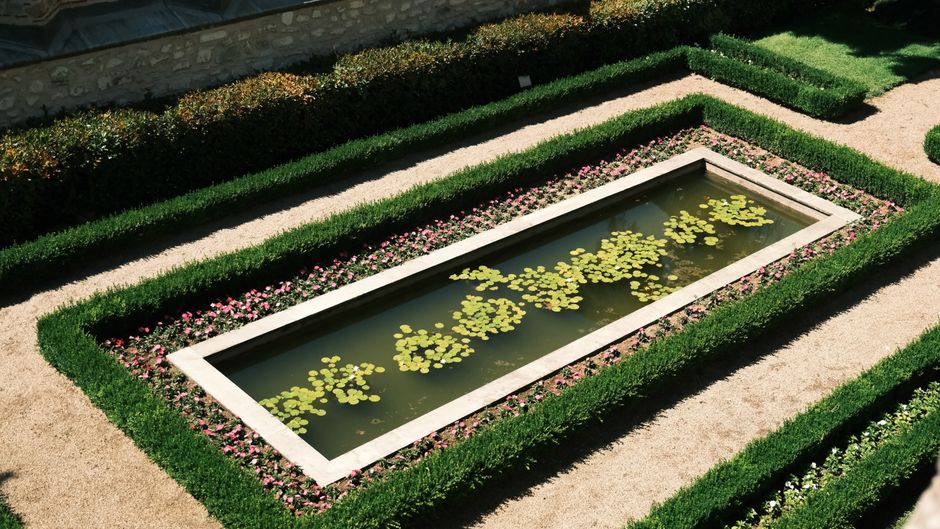
Plan outdoor landscaping by mapping your yard’s structures, utilities, sun, soil, slope, drainage, and existing plants before choosing features. Then set priorities for how you use the space, place hardscape, and select plants suited to the site and their mature size. Check that water drains away from the house, and choose a layout you can maintain.
Where should I start when planning outdoor landscaping?
Start by drawing a plot plan and recording what is already in the yard, how you use it, and what conditions shape it. That map prevents an attractive idea from becoming an expensive obstacle course—or a planting bed placed where water collects.
Follow a practical sequence:
- Map the fixed features. Mark the house, other structures, utilities, paths, driveways, existing plants, and obstacles. Add slopes and the direction water moves after rain.
- Observe conditions. Note sunny areas and dense shade, soil differences, drainage, and wind. These conditions vary around one yard, so do not assume a single plant or surface will suit every section.
- Set the job for each area. List household needs such as circulation, outdoor activities, planting space, and places to sit. Decide how much upkeep is realistic.
- Plan permanent features before plants. Penn State Extension’s rain-garden guidance recommends installing hardscape before placing plants. Once patios and walkways are set, planting locations can work around those fixed edges.
The University of Minnesota Extension recommends accounting for light, soil type, planting space, household needs, and maintenance expectations in the design process. It frames sustainable design around function, maintenance, environmental impact, cost, and visual appeal. Use those five checks together: a beautiful layout that is hard to maintain or handles water poorly is not a complete plan.
For cohesion, repeat a few forms or materials across the yard rather than giving every corner a different theme. The Utah State University Forestry Extension guide recommends continuity and repeated forms as ways to unify a landscape. Repetition gives the eye a route through the space; the plants themselves can still vary to suit different sun or soil conditions.
How do I choose plants that will thrive in my yard’s sun and soil?
Choose plants by matching each planting spot’s light, soil, water conditions, and available room to the plant’s needs at maturity. Make the site fit the plant on paper before buying it—appearance at the nursery cannot tell you whether it will thrive in your yard.
Check the conditions for each bed separately. Penn State Extension’s rain-garden guidance advises assessing soil pH, nutrients, organic matter, sun exposure, slope, and how precipitation moves through the site before planting. A soil test can help identify needs that are not obvious by looking; Penn State’s lawn-establishment guidance recommends collecting soil samples three to four weeks before soil preparation.
Then check plant size and character. The Utah State guide identifies water zone, hardiness, mature size, color, and evergreen or deciduous habit as selection factors. Mature size matters twice: it affects spacing and the future shape of the landscape. Allowing trees room to mature can also help avoid later repairs and recurring care costs, according to the University of Minnesota Extension.
Budget and patience are part of plant selection. Penn State notes that larger plants cost more and may need more water to establish, while plugs cost less per plant but take longer to reach maturity. Pick the trade-off that fits your timeline and care capacity; do not fill every gap with oversized plants if the long-term spacing will be tight.
The University of Minnesota Extension puts the core principle plainly: “Put the right plant in the right place to avoid having to replace plants that die or perform poorly because they are planted in the wrong growing conditions.” That is a useful purchase test: confirm the spot’s conditions and the plant’s mature dimensions before adding it to the plan.
How should my yard slope so rainwater drains away from the house?
Where possible, grade the ground gently away from the building foundation so surface water moves away rather than pooling beside the house. Penn State Extension’s lawn-establishment guidance gives a target of a 1 to 4 percent slope—meaning a drop of 1 to 4 feet over 100 feet—where possible.
The grade also has to remain usable. Penn State notes that lawn slopes should drain water away from buildings while staying gradual enough for maintenance and outdoor activities. Treat drainage and use as one design problem: a slope that moves water but makes the space difficult to mow or walk across still needs attention.
Surface choices affect runoff too. Penn State Extension explains that roofs, roads, and driveways increase the volume and speed of runoff; compacted lawns can also act like impervious surfaces when water cannot infiltrate. Porous options such as wood, stone, loose bricks, and paving blocks can let water soak into the ground.
Plan downspouts as part of the same system. Penn State recommends directing them toward a lawn or landscaped area where water can infiltrate, while making sure the receiving area slopes away from the house so water does not collect at the foundation. Shrub and perennial beds can reduce lawn area and help water penetrate soil; rain-garden plants need to tolerate both periodic inundation and drier conditions.
Before finalizing the layout, trace the path water will take from roof to yard. Check how patios, walkways, compacted areas, and planting beds affect that route. The goal is a connected plan: hard surfaces support access, planting areas suit the site, and runoff has a reasonable place to go.
Frequently Asked Questions
How can I make outdoor landscaping look cohesive without hiring a designer?
Start with a simple plot plan and use a consistent set of shapes, materials, and plant forms across the yard. Repeat selected plants or design elements in more than one area, while choosing each plant for the conditions of its specific location.
How do I balance lawn, planting beds, and hard surfaces?
Give each area a job: lawn for the activities that need open space, beds for planting, and hard surfaces for circulation or seating. Keep in mind that roofs, driveways, and other impervious surfaces increase runoff, while planting beds and porous hardscape can help water soak into the ground.
What should I plan before buying plants or installing a patio or walkway?
Map utilities, structures, slopes, drainage, sun, soil, and existing plants first. Plan permanent hardscape before locating plants, and check mature plant size, maintenance needs, and how water will move around the finished features.
Sources
Read next

How Can Vegetarians and Vegans Get Reliable Vitamin B12?
A practical guide to reliable B12 sources, fortified-food labels, testing, and nerve-health warning signs for vegetarians and vegans.

Which Foods Help Dry Eyes, and Are Omega-3 Supplements Worthwhile?
A food-first guide to dry eyes, omega-3-rich foods, vitamin A, fish oil evidence, and when persistent symptoms need clinical assessment.