
What Tea Can You Drink All Day Without Too Much Caffeine?
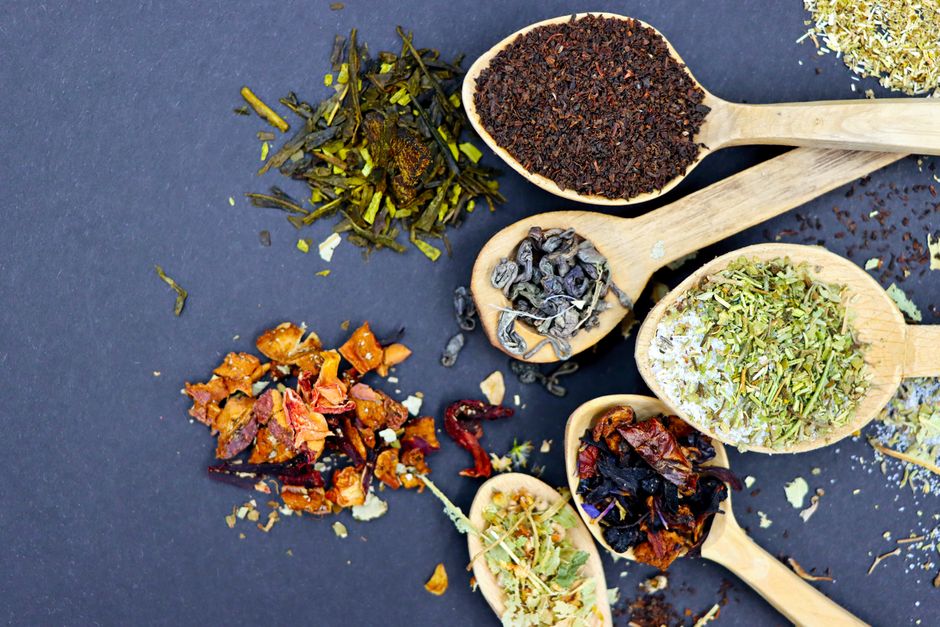
For an all-day tea routine, keep caffeinated black, green, or white tea earlier in the day and switch to naturally caffeine-free rooibos or herbal infusions later. Caffeine varies by tea, serving, and brewing strength, so use published averages as guides rather than exact counts. Tea contributes to fluid intake, but sensitivity, sleep, pregnancy, health conditions, and medications can change what works for you.
What tea can I drink all day without getting too much caffeine?
Choose tea by its caffeine contribution and when you plan to drink it: caffeinated varieties earlier, then naturally caffeine-free options later. The U.S. Food and Drug Administration (FDA) says 400 mg of caffeine per day is not generally associated with negative effects for most adults, while emphasizing that individual sensitivity, medications, health conditions, and caffeine metabolism differ. That figure is a broad reference, not a personal target.
The FDA’s consumer guidance gives approximate amounts for a typical 12-fluid-ounce serving: about 37 mg of caffeine in green tea and 71 mg in black tea. Those are useful comparisons, not guarantees for every mug. Product, serving size, and brewing strength affect the amount, and white tea is not assigned a comparable figure in the provided FDA guidance.
A U.S. Department of Agriculture Agricultural Research Service analysis of 38 commercial teas and green tea extracts found caffeine levels spanning 0–25.4 mg per gram across the evaluated products. The samples included black, green, jasmine, oolong, herbal, and other teas, with substantial variation even within categories. That range describes the tested products, not a universal cup-by-cup estimate; it is a good reason to avoid treating tea names as exact caffeine labels.
| Tea choice | What to expect | Practical place in the day |
|---|---|---|
| Black tea | FDA estimate: about 71 mg per typical 12-fluid-ounce serving | Earlier, if you want a stronger caffeinated cup |
| Green tea | FDA estimate: about 37 mg per typical 12-fluid-ounce serving | Earlier; still contains caffeine |
| White tea | Caffeine amount varies; no specific figure is provided in these sources | Check package details and brew strength |
| Rooibos or herbal infusion | Many are naturally caffeine-free, but herbal blends vary; do not assume every blend is caffeine-free | Later, after checking the ingredients |
| Decaffeinated tea | Less caffeine than regular tea, but not necessarily zero | An option when reducing caffeine, not when avoiding every trace |
For a simple rotation, use black or green tea in the morning, choose a less strongly brewed or lower-caffeine option around midday, and move to rooibos or a clearly caffeine-free herbal infusion later. Shorter steeping is a practical way to make a less intense cup, but these sources do not establish a precise reduction in milligrams for a particular steep time. For a more dependable choice, compare package information and serving sizes.
Is green tea or herbal tea better to sip throughout the day?
Herbal tea is usually the more practical later-day choice when the aim is to avoid caffeine, while green tea suits someone who wants a caffeinated drink with less caffeine than the FDA’s typical black-tea estimate. “Better” depends on the purpose: green tea is not caffeine-free, and herbal tea is a broad category rather than one standardized recipe.
The USDA analysis found low or zero caffeine in the herbal teas it evaluated, but the small sample does not establish that every herbal blend has the same profile. Check the ingredient list, especially when a blend combines multiple plants or includes traditional tea leaves. If the label is unclear, treat the caffeine content as uncertain instead of assuming the drink is caffeine-free.
Sleep is another reason to make the switch deliberate. In a randomized, placebo-controlled study of 12 healthy adults, researchers found that 400 mg of caffeine taken at bedtime or 3 or 6 hours beforehand significantly disrupted sleep. The study supports taking caffeine timing seriously, but that large dose does not define a precise cutoff for every tea drinker: tea servings typically provide less, and individual sensitivity varies.
Pregnancy changes the calculation as well. The National Health Service (NHS) advises limiting caffeine during pregnancy to no more than 200 mg per day and estimates a cup of black or green tea at about 75 mg, with actual amounts varying. The NHS also says to limit herbal teas such as peppermint and chamomile to no more than four cups daily during pregnancy and to avoid herbal teas containing liquorice root. This is population-specific guidance, so the right choices may differ from a general adult tea routine.
Medication use and health conditions can also affect caffeine choices. The FDA specifically flags these factors alongside sensitivity and metabolism; if they apply, use that as a reason to check with a qualified health professional about what is appropriate for your circumstances rather than relying on a generic cup count.
Does drinking tea all day dehydrate you?
Tea contributes fluid, and the available trial found that black tea at the amounts tested had hydration effects similar to water for its participants. In a randomized controlled trial of 21 healthy men, four or six 240-milliliter servings of black tea supplied 168 or 252 mg of caffeine, respectively, and produced no significant differences from equivalent water intake in the measured blood or urine hydration indicators.
The result gives a direct answer to a common worry: ordinary tea does not automatically cancel out the fluid it provides. But the study was small and included healthy men at rest, so it does not prove identical effects for all people or circumstances. The researchers’ conclusion applies to the tested servings and participants—not every tea drinker, every setting, or every possible intake.
For day-to-day planning, count tea as part of your fluid intake while also noticing how caffeine affects you. If a caffeinated cup makes you feel uncomfortably alert or interferes with sleep, changing the timing or switching to a caffeine-free drink addresses that trade-off without treating tea itself as dehydrating. If you need to monitor fluids for a health reason, follow the guidance specific to that situation.
Frequently Asked Questions
How many cups of caffeinated tea can I safely drink in a day?
There is no single cup count that fits every tea or person because caffeine levels vary by tea, serving size, and brew strength. The FDA says 400 mg of caffeine per day is not generally associated with negative effects for most adults, while noting that sensitivity, medications, health conditions, and metabolism vary.
What tea should I switch to in the afternoon so it won’t affect my sleep?
A naturally caffeine-free option such as rooibos or a caffeine-free herbal infusion avoids adding tea caffeine. Sleep sensitivity varies, so switching earlier can be a practical way to reduce exposure; the cited sleep study tested 400 mg of caffeine, not a standard cup of tea.
Does decaf tea still contain caffeine?
Yes. The FDA says decaffeinated teas and coffees have less caffeine than regular versions but still contain some. If avoiding caffeine entirely matters, check the product information and consider a naturally caffeine-free infusion.
Make the routine easy to repeat: identify your caffeinated cups, note when you want to stop drinking them, and choose a caffeine-free replacement for later. This week, check the serving size and ingredients on the tea you drink most often. Then decide whether its timing and strength fit your sleep and your own sensitivity.
Sources
- U.S. Food and Drug Administration
- U.S. Department of Agriculture, Agricultural Research Service
- Carrie H. Ruxton and Valerie A. Hart, British Journal of Nutrition
- Christopher Drake et al., Journal of Clinical Sleep Medicine
- National Health Service
Disclaimer: This article is for general information only and is not medical advice. It is not a substitute for diagnosis or treatment by a qualified healthcare professional. Always speak to your doctor before acting on anything you read here.
Read next

How Can Vegetarians and Vegans Get Reliable Vitamin B12?
A practical guide to reliable B12 sources, fortified-food labels, testing, and nerve-health warning signs for vegetarians and vegans.

Which Foods Help Dry Eyes, and Are Omega-3 Supplements Worthwhile?
A food-first guide to dry eyes, omega-3-rich foods, vitamin A, fish oil evidence, and when persistent symptoms need clinical assessment.
What Vitamin Deficiency Causes Brain Fog?
A nutrient-first guide to B12, iron, folate, vitamin D testing, and why brain fog needs more than a nootropic stack.