
What Window Covering Works Best for a Sliding Glass Door?
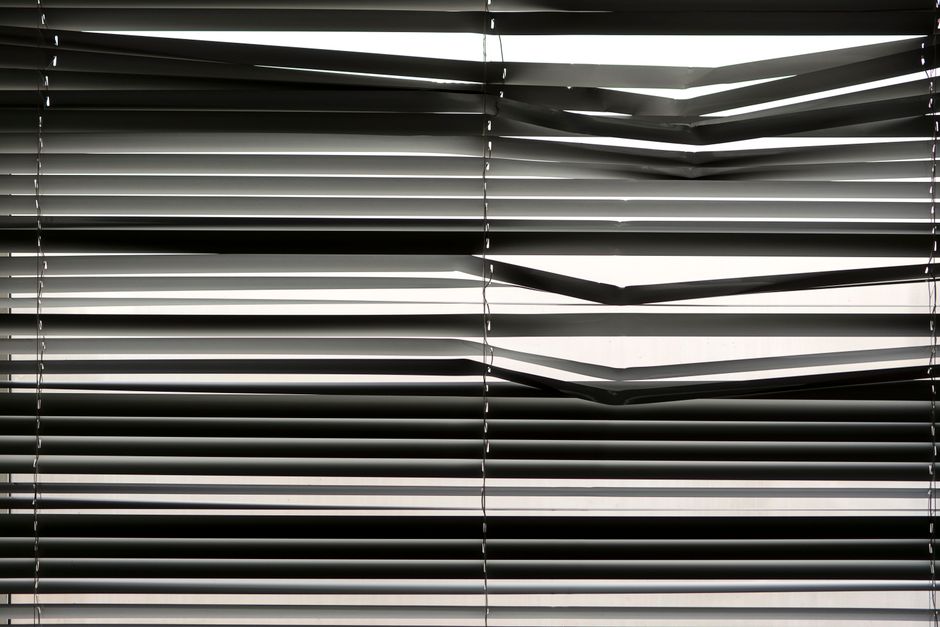
For a west- or south-facing sliding glass door, an exterior solar screen is usually the strongest first move against summer heat because it blocks sun before it passes through the glass. For winter drafts, a well-fitted vertical cellular shade adds an insulating air pocket; lined thermal curtains can help too, but they need to clear the door and close with a snug overlap. The best setup depends on climate, daylight, and how often you use the door.
What window covering works best to keep heat out of a sliding glass door?
An exterior solar screen is the strongest starting point for reducing summer heat on a sunny sliding door. It intercepts solar radiation outside, before it warms the glass and the room. The U.S. Department of Energy's Better Buildings Residential Network identifies south- and west-facing windows as targets for exterior shades and reports 12–25% cooling HVAC savings in preliminary cooling-season results. Those figures are cooling-season findings, not annual savings.
Interior coverings still have a role, but they act after sunlight has reached the glass. The Lawrence Berkeley National Laboratory report Energy Savings from Window Attachments models more than 16,000 combinations across 12 U.S. climate locations and finds exterior attachments generally more effective for cooling. It also makes the important counterpoint: the best overall choice depends on climate and possible heating penalties.
Use this decision order. If afternoon sun is the main problem, start with exterior shading. If the door also feels cold at night or in winter, consider adding a close-fitting cellular shade or lined curtain inside. If daylight and the view matter, choose a screen or fabric that filters rather than fully obscures, and check the product's openness and visibility before committing; the supplied research does not compare specific screen fabrics.
| Option | Best fit | Main tradeoff |
|---|---|---|
| Exterior solar screen | Reducing direct summer sun, especially on west- or south-facing doors | Can change daylight and outdoor views; exterior fit and operation matter |
| Vertical cellular shade | Adding an insulating layer and reducing winter drafts | Cooling-season performance is less settled in the supplied research |
| Lined thermal curtains | A flexible interior layer for direct sun and nighttime closure | Must clear the door and close well; fabric can obstruct access and views |
The Department of Energy's exterior awnings research summary reports average daily energy savings of about 4.5 kWh, or 15.5%, in an Atlanta field test compared with no shades. That result concerns awnings, not a guarantee for every solar screen or sliding door. Treat it as evidence for the broader value of exterior shade, not a product-specific promise.
Do vertical cellular shades actually insulate sliding glass doors?
Yes. A properly fitted vertical cellular shade can add insulation by trapping air in its honeycomb cells and between the shade and glass. That makes it a practical interior layer when winter drafts or nighttime heat loss are part of the problem.
A U.S. Department of Energy and Oak Ridge National Laboratory fact sheet reports that cellular shades saved up to 20% on heating energy and up to 15% on total heating and cooling energy compared with a no-shade scenario in controlled heating-season experiments and climate-zone modeling. “Up to” is the key phrase: those are study results, not a guaranteed saving for a particular home. The fact sheet focused on heating-season benefits and says further research is needed on cooling-season control strategies.
For a sliding door, prioritize operation and fit. Choose a vertical design that moves along the track and stacks out of the opening, then check whether the handle and frame leave enough room for installation. Close the shade fully at night and when the room is not using the door. A shade left partly open cannot provide the same continuous barrier as one that covers the glass.
Climate changes the call. In a heating-dominated area, cellular shades are a strong candidate for winter comfort; the Berkeley Lab report also identifies cellular shades and insulating interior window panels among more effective options in heating-dominated climates. In a hot, sunny climate, treat cellular fabric as a companion to exterior shade rather than assuming an interior shade alone will stop the day's solar gain.
Will thermal curtains reduce drafts around a patio door?
Thermal curtains can reduce the chill you feel near a patio door when they are closed and fit closely around the opening. They create an interior layer between the room and cold glass, but they do not repair a leaky door seal or eliminate the need to use the doorway.
The Department of Energy's Energy Saver Guide recommends tight-fitting insulating shades on drafty windows and closing curtains and shades at night to reduce cold drafts. For summer, it advises closing draperies on windows receiving direct sunlight; medium-colored draperies with white plastic backings can reduce heat gain. That guidance is useful for patio doors too, while the actual effect depends on fit and how consistently the covering is closed.
Fit is the make-or-break detail. A curtain should span the glass and meet or overlap at the center, with enough coverage at the sides to limit gaps when closed. But it also needs to stack fully clear of the active panel so people are not pushing fabric aside on every trip outside. If the curtain has to stay open for access most of the day, it cannot do much during those hours.
Keep the jobs distinct: use an exterior screen to intercept strong sun, and close a curtain or cellular shade when you want an interior insulating layer. The Department of Energy's 2024 report on affordable shading likewise describes outdoor roller shades and says permanent shading is preferably outside; it also identifies cellular shades as attachments that can provide savings in both winter and summer. It does not provide a direct product-to-product sliding-door comparison, so choose based on the door's exposure and operating needs.
Frequently Asked Questions
Are exterior solar screens more effective than interior blinds?
For cooling, exterior shading is generally more effective because it intercepts sunlight before it heats the glass and indoor space. The exact result depends on climate and the attachment, and an exterior screen may reduce daylight or views.
How can I block afternoon sun without losing all the daylight?
Use an exterior solar screen that filters rather than fully blocks the view, if that option is available for your door. You can also close a lined curtain or shade during the strongest direct sun and open it when the sun moves off the glass.
Which sliding-door covering is easiest to use every day?
A vertical cellular shade or curtain that stacks fully to one side can keep the doorway accessible. The practical choice is the one that opens and closes smoothly with your household's traffic; confirm its operating direction and clearance before buying.
Before choosing, note which direction the door faces, when the sun hits it, whether winter drafts are also a problem, and how often people pass through. Then compare one exterior option and one interior option against those needs. The best covering is the one you can operate reliably while preserving the daylight and access your household actually uses.
Sources
- U.S. Department of Energy, Better Buildings Residential Network
- U.S. Department of Energy and Oak Ridge National Laboratory, Interior Cellular Shades Boost Home Energy Performance
- U.S. Department of Energy, Energy Saver Guide
- Lawrence Berkeley National Laboratory, Energy Savings from Window Attachments
- U.S. Department of Energy, Exterior Window Awnings Research Summary
- U.S. Department of Energy, Saving Lives Through Affordable Shading: Shielding Communities from Excessive Solar Heat
Read next

How Can Vegetarians and Vegans Get Reliable Vitamin B12?
A practical guide to reliable B12 sources, fortified-food labels, testing, and nerve-health warning signs for vegetarians and vegans.

Which Foods Help Dry Eyes, and Are Omega-3 Supplements Worthwhile?
A food-first guide to dry eyes, omega-3-rich foods, vitamin A, fish oil evidence, and when persistent symptoms need clinical assessment.
What Water Container for Home Should You Choose?
Choose a clean, food-grade water container for home storage, label it, store it cool and dark, and rotate home-filled water every 6 months.