
What Water Container for Home Should You Choose?
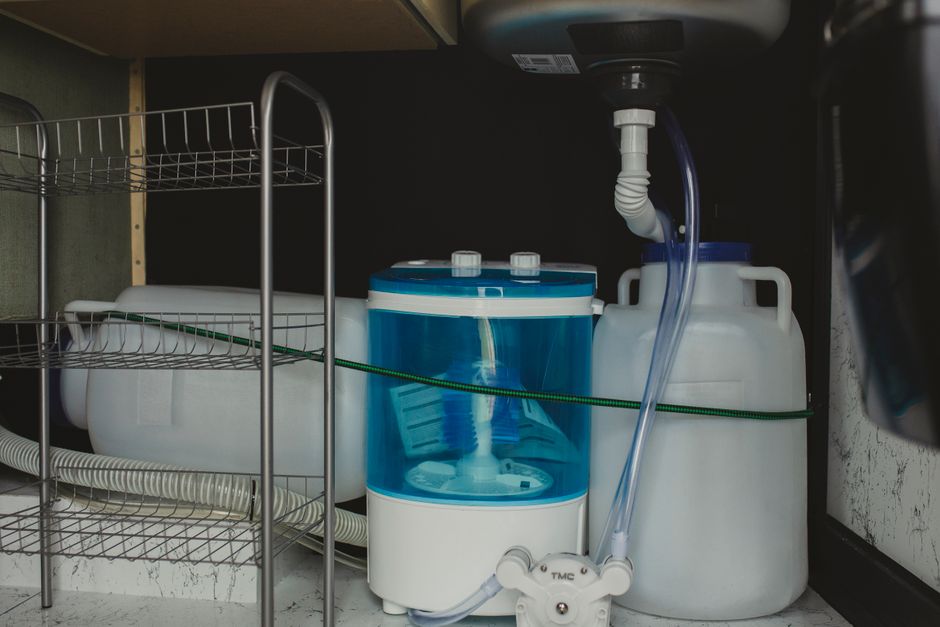
Choose a clean, food-grade, tightly sealed water container for home storage, sized so you can lift and dispense it safely. Wash and sanitize it before filling, label it with the date, and store it cool, dark, and away from chemicals. Keep at least 1 gallon per person per day for 3 days; if possible, build toward a 2-week supply and replace home-filled water every 6 months.
What is the best container for storing water?
The best container for storing water is one labeled food-grade, with a tight lid and an opening that supports clean filling and dispensing. For water you fill yourself, the CDC recommends FDA-approved food-grade containers; it notes these will not transfer toxic substances into the water. Never reuse a container that held toxic chemicals.
Use this sequence before storing a home-filled supply:
- Check the label. Confirm the container is intended for food or water storage, and make sure it has a tight-fitting lid. A narrow opening can make it easier to avoid contaminating the water while dispensing.
- Wash and rinse. Clean the container with soap and water, then rinse it completely. Ready.gov also recommends this step for containers you prepare yourself.
- Sanitize. The CDC’s sanitizing method is 1 teaspoon of unscented 5%–9% sodium hypochlorite bleach mixed with 1 quart of water. Coat all interior surfaces, wait at least 30 seconds, pour out the solution, and let the container air-dry.
- Fill, close, and label. Use safe drinking water, seal the lid, and mark the container “drinking water” with the storage date. When using the supply, dispense with a clean scoop and avoid touching the water or the inside of the container.
That preparation is a practical control point: a suitable container can still be compromised by a dirty interior, an open lid, or careless dispensing.
What are some good containers for storing water at home?
Good home options include purpose-made food-grade water containers and clean 2-liter plastic soft-drink bottles. Ready.gov recommends the soft-drink bottle option for household storage, but advises against milk or juice containers because proteins and sugars can remain inside and support bacterial growth. It also rejects cardboard, which can leak, and glass, which is heavy and can break.
Match container size to the job. A larger container means fewer lids and labels to manage, but a filled one can be hard to move. A smaller bottle is easier to carry and place on a shelf, but it takes more containers to build the same household supply. The right choice is the one you can safely lift, clean, seal, and reach when needed.
| Storage option | Useful when | Trade-off to plan for |
|---|---|---|
| Stackable food-grade containers | You can use vertical storage space | Check that the arrangement remains accessible and the containers can be cleaned |
| Under-bed containers | You have unused space beneath a bed | Low clearance can make inspection and removal awkward |
| Compact bottles | You need easy carrying or flexible placement | More individual containers must be labeled and managed |
| Large containers | You want fewer containers to fill | Weight can make lifting and dispensing difficult |
Before committing to a large format, check its filled weight and the surface where it will sit. USGS lists water at about 8.33 pounds per U.S. gallon, so 5 gallons weighs about 41.7 pounds before adding the container. If that is too heavy to lift safely, divide the supply among smaller containers or plan to keep the large one in place and dispense from it.
In a small home, compare the footprint with the cleaning task. Stackable formats may use height; under-bed containers use low, otherwise unused space; compact bottles can fit around household constraints. Favor an arrangement that leaves lids reachable and containers removable for cleaning and inspection. Store the supply away from chemicals, as well as away from sunlight and heat.
How long can water stay drinkable in a container?
Home-filled water should be replaced every 6 months, according to the CDC and Ready.gov. Mark the fill date on the container so rotation is a routine task rather than a guess. Use the older supply first, then refill, clean, and relabel the container.
Keep stored water in a cool, dark place. The CDC specifies a storage range of 50°F–70°F and says to keep containers away from sunlight and toxic substances. Commercially bottled water should remain sealed in its original container and stored in a cool, dark place, according to Ready.gov; the 6-month replacement guidance applies to home-filled water.
Water requirements also affect how much to store. The baseline is at least 1 gallon per person per day for several days, with the CDC recommending 3 days at minimum and a 2-week supply if possible. Ready.gov notes that needs can double in very hot temperatures; children, nursing mothers, and people who are sick may need more. Plan separately for pets, pregnancy, illness, and other household needs identified by the CDC.
Which container is best for storing drinking water?
For drinking water, choose an FDA-approved food-grade container with a tight seal, then keep the contents protected from contamination during use. A container that is easy to clean and dispense from may be a better household choice than one with greater capacity but an awkward opening or an unsafe lifting weight.
For a small-space plan, first calculate the supply target, then fit it into the home:
- Set the baseline. Count people and plan at least 1 gallon per person per day for 3 days; expand toward 2 weeks if possible.
- Choose a mix of sizes. Use smaller containers where carrying and placement matter, and larger containers only where their weight and access are manageable.
- Assign a location. Select a cool, dark area away from sunlight and chemicals. Use vertical space or under-bed space only if you can still inspect and retrieve the containers.
- Build rotation into the label. Write the storage date on every home-filled container and replace that water every 6 months.
If water quality is uncertain, Ready.gov describes bringing water to a rolling boil for 1 full minute as the safest treatment method. For routine storage, start with safe drinking water and protect it with a clean container, a tight lid, and clean dispensing habits.
Frequently Asked Questions
How do I prepare a new container before filling it with drinking water?
Wash it with soap and rinse thoroughly. The CDC also recommends sanitizing with 1 teaspoon of unscented 5%–9% sodium hypochlorite bleach in 1 quart of water: coat the interior, wait at least 30 seconds, discard the solution, and air-dry. Fill with safe water, close tightly, and label it “drinking water” with the storage date.
How much water should I store at home, and what size containers are easiest to handle?
Store at least 1 gallon per person per day for 3 days, and aim for a 2-week supply if possible; pets, pregnancy, illness, and hot weather can increase needs. Smaller containers are easier to lift, while larger ones reduce the number of containers to manage. Five gallons of water weighs about 41.7 pounds before the container, so check the lifting and storage surface before choosing that size.
Where can I store water containers if I have limited space?
Use a cool, dark location away from sunlight and toxic substances, and choose compact containers that fit the space you actually have. Stackable containers can use vertical space if the containers are designed to stack; under-bed storage can use otherwise unused floor area, while compact bottles are easier to move and clean individually. Keep access to the lids and dispensing openings so you can inspect and use the supply.
Sources
Read next
Choose a TikTok Content Creation Agency That Delivers Results
Choose a TikTok content creation agency by testing its work, comparing full costs, and confirming rights and reporting in writing.

What Window Covering Works Best for a Sliding Glass Door?
Compare exterior solar screens, vertical cellular shades, and thermal curtains for summer heat, winter drafts, daylight, and easy access.
How Can Vegetarians and Vegans Get Reliable Vitamin B12?
A practical guide to reliable B12 sources, fortified-food labels, testing, and nerve-health warning signs for vegetarians and vegans.